
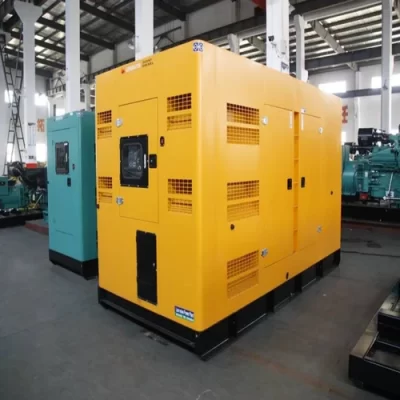
Global diesel generator standards
To buy a diesel generator that suits your needs, you should pay attention to the global standards of diesel generators that we discuss in this article. When the diesel generator you buy does not meet international standards, or only covers some of them, they may cause you many problems during using; Safety risks and non-compliance with some standards cause irreparable damage to the device and buyers.
Introduction of international diesel generator standards
Any device that is produced is going to be sold to other countries and is going to be used by many people, must be approved by some organization. In other words, these organizations set standards for the device to prevent common problems and ensure proper operation.
Companies that produce diesel generators must also consider the established international standards for the production of their products. When it comes to the international diesel generator standard, it means:
The engine of diesel generator is of high quality.
The alternator which performs the main task in this device, must use high-quality parts.
The chassis of the diesel generator should be the best type and the refueling operation should be done correctly every day to prevent future problems.
The main electrical panel that feeds the device when necessary, must be of the best type; Also, the protection switchboard must be of the best quality.
How to check diesel generator according to global standards
The diesel generator that you intend to buy, must have received the necessary global standards, otherwise it will become unusable and its brand name will be questioned because it will not have a place in front of other manufacturers.
International Standard of Diesel Generator
| Name | Description |
|---|---|
| IEEE 762: 1987 | Standards expressing the electrical energy generating unit |
| IEC 60034 | Electric rotary machines |
| BS 2757 | The method of determining thermal class and electrical insulation |
| BS 4999 | General requirements for rotating machines |
| BS 5000 | Special type of rotating electric machines |
| AS 1359 | Rotating electric machines |
| AS 4680:2006 | Hot-dip galvanized covers (zinc) with iron coating |
| AS 61000.3.6 | Assessment of load sharing range - Range of magnetic effect (EMC) |
| IEC 60204-1 | Reliability coefficient of the device, electrical equipment and machinery |
| ISO 8528-12005 | The internal combustion engine generates power to rotate the generator set |
| ISO 8528-1:2005:Part1 | Scope of use |
| ISO 8528-1:2005:Part2 | Engines |
| ISO 8528-1:2005:Part3 | To produce the set (Diesel Generator) |
| ISO 8528-1:2005:Part4 | Control gear and main switch (Device) |
| ISO 8528-1:2005:Part5 | Diesel Generator Set |
| ISO 8528-1:2005:Part6 | Test Methods |
| ISO 8528-1:2005:Part7 | Technical considerations for specification and design |
| ISO 8528-1:2005:Part8 | Diesel Generator Set for Light Use |
| ISO 8528-1:2005:Part9 | Measurement and evaluation of mechanical vibrations |
| AS 1170 | Standards of steel structures |
| AS 1692:2006 | Metal fuel tank for storing fuel and flammable liquids |
| BS 5514-1-2002 | Fuel and engine oil consumption requirements and test methods |
| BS 5514-III | Assessment test |
| BS 5514-IV | RPM control |
| BS 5514-VI | Overspeed protection |
| BS 649 | Usage, torsional stresses, and vibrations of the internal combustion engine |
| BS 269 | Providing information about the efficiency of electric machines |
| IEC34-1-1983 | Range of performance and use of electric rotary machines |
| ISO 4661 | Alternator |
| ISO 8528 | Leakage measurement using the leak detection method |
| ISO 9614 - Part I And II | Grade 2 requirements related to insulation accuracy |
| ISO 3036-1: 2014 | Use of internal combustion engines |
| ISO 3046-1: 2014:Part1 | Power loss, fuel and lubrication of combustion engines and test methods supplementary requirements for general use |
| ISO 2046-3: 2006:Part3 | Test methods |
| ISO 15550:2002 | Internal combustion engines - Determination and measurement method of engine power range - General requirements |
How to check international standards before buying
It doesn’t matter what diesel generator you produce, whether it’s small or big, whether it’s gas or diesel, because you have to provide standards for different parts of the machine in any case. In order to buy a high-quality device, compare global standards with the product you are looking for.
Diesel generator building according to international standard
The generator must have a completely standard building with respect to electrical isolation for itself in order to see its optimal performance and guaranteed efficiency.
The features of the diesel generator storage location according to the global standard
Another discussion about the global standards of diesel generators is the storage room standards of this device, which is placed in it in order to prevent possible damages and risks. That room should have standards because when you can use your generator device in the best possible way, you have considered a suitable room for it.
In the following, we will examine the standards of diesel generator storage in more detail.
Accessibility and maintenance
The generator room should be large enough that there is enough space if the repairman wants to open the device. The room should have enough space to fit all the belongings and related equipment.
Room ventilation
Every diesel generator has a manual that talks about the type of room ventilation. If the generator room does not have proper ventilation, the hot air that is produced will not have a way out and its overheating increases the possibility of explosion. In addition, it reduces the efficiency of the device and damages its parts.
Silent room
Anyway, diesel generators produce a lot of noise, but you can solve this problem with the help of silent canopy. It is the property of diesel engines to make a lot of noise, and industrial and large generators face this challenge more. In contrast, home appliances are less noisy.
Canopy is one of the solutions to reduce the sound of the generator room and you can get help from other methods such as buying low noise diesel generators. Place the generator room where it is away from noise pollution, noise and smoke.
Device portability
You should choose a diesel generator room in a part of the building that is easy to transport in case of emergency, because the device will need to be repaired anyway. Diesel generators are often moved with overhead cranes. (often when the generator is in the shed)
Room wall insulation
Be sure to cover the walls of the diesel generator room with sound insulation or monolith sheets, and it is better if they are one centimeter thick. A canopy is also a good option.
Steel chassis
In order to have a stronger connection between the generator and the engine, it is better to use steel chassis. The shape of these chassis is a stud with steel screws.


